Aventuras nos Slots: Desvendando a Alta Volatilidade no BetOnRed para Iniciantes
O Que é a Alta Volatilidade e Por Que Importa? Olá, futuros exploradores do mundo dos casinos online! Se você...
Read More →Rulet, blackjack ve slot bahsegel makineleriyle dolu büyük ilgi görüyor.
Adres değişikliklerini öğrenmek için bettilt kontrol edilmelidir.
Basketbol maçlarına özel oranlar pinco kısmında sunuluyor.
Global e-spor bahis pazarının büyüme oranı yılda %12’dir; bettilt giriş bu segmentte aktif olarak yer almaktadır.
Statista’ya göre, online bahis kullanıcılarının %66’sı canlı bahislerde daha fazla kazanç elde ettiklerini belirtmiştir; bu, bahsegel giriş kullanıcıları için de geçerlidir.
Oyuncular arasında popülerleşen bahsegel anlayışı finansal işlemleri de koruma altına alıyor.

Okay, so check this out—I’ve been using Phantom on and off for years.
Whoa, this is wild.
My first impression was friction; browser extensions felt clunky and fragile.
Something felt off about the flow.
But lately a web-native version changes that narrative in subtle ways that actually matter to how people onboard, interact with dapps, and recover accounts.
Seriously though, this matters.
My instinct said browser-first will reduce drop-off during signup because there’s zero extension friction.
Initially I thought that was optimistic.
Actually, wait—let me rephrase that, what I meant was: browser access lowers the cognitive load for newcomers, and that often means better retention for projects building on Solana.
On one hand it simplifies things for users, though actually it raises security questions that teams can’t gloss over.
Here’s the thing.
Phantom’s core UX in the extension has always been clean, and their mobile app is polished too.
My bias is obvious: I’m fond of their design choices.
But a web version removes the magic trick of ‘install an extension first’, which, oddly, had become a gating factor for a surprising number of users.
That part bugs me.
Okay—technical bit.
Web wallets rely on standard browser APIs and careful origin isolation, which, if done well, give dapps a secure way to request signatures without forcing users to install extras.
This approach also opens the door for faster iteration and simpler QA for developers.
Hmm, that feels promising.
On balance though, I still worry about phishing vectors when the wallet is web-accessible across many domains, and that means teams need to invest in clear domain pinning, trustworthy notarization, and UX affordances that educate users about when they’re signing something important.
I’ve tested a few flows.
A warm onboarding flow that welcomes users, helps them pick a password or seed backup strategy, and shows the first transaction as a guided experience makes a huge difference.
For developers building on Solana, that means rethinking the modal handshake.
Libraries need to expose clear session semantics and web-native signing prompts.
I’m not 100% sure about edge cases though.
Security engineers will ask for provenance.
That’s fair enough.
You need auditable builds, reproducible artifacts, and a way to assert the web wallet served is the same binary folks audit on GitHub.
On the other hand, web delivery allows for revocation and quick patching, which is a strong operational advantage.
Seriously, deployments matter.
Okay, personal note: I ran a small usability study last quarter with some friends from a DAO.
They were 50/50 on extensions vs web, mostly because extensions felt like ‘something else to manage’.
One person lost seed access and swore they’d use a web option next time.
I’m biased, but that anecdote stuck with me.
So if a web-first Phantom can provide robust account recovery flows, clearer QR pairing, and seamless mobile handoffs, it’s a real usability win for the broader Solana ecosystem.
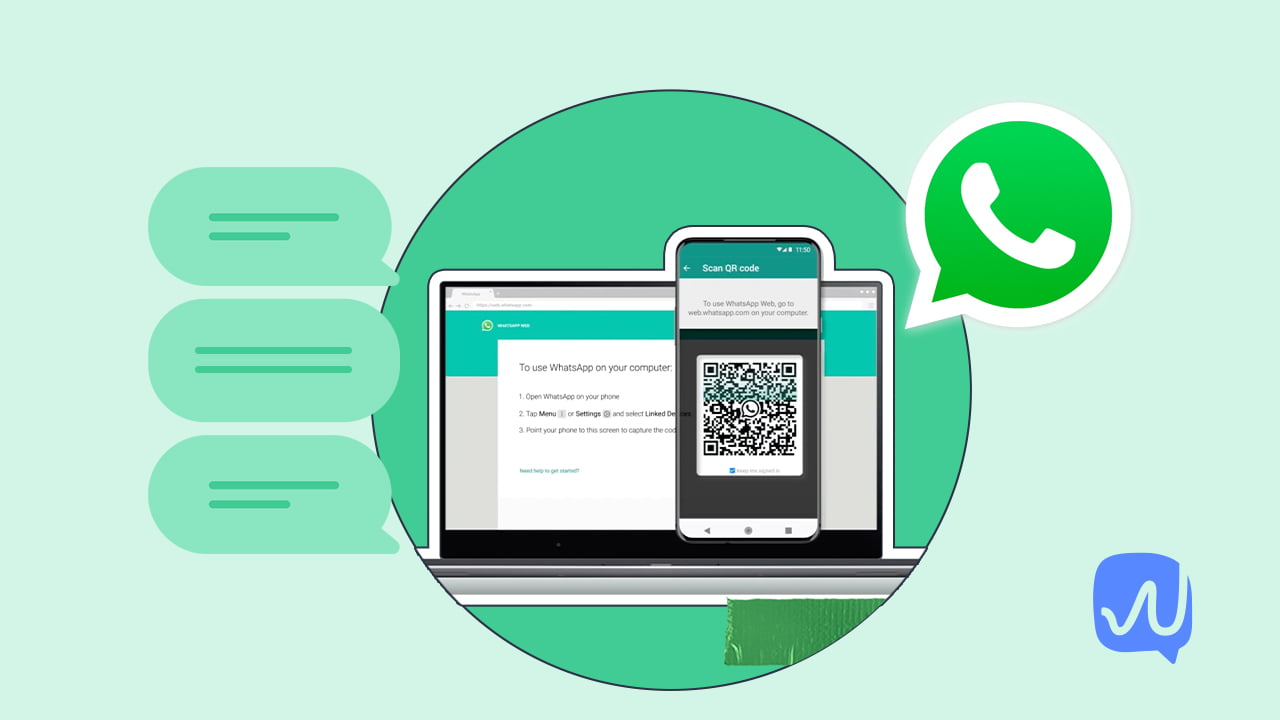
Check this out—it’s why I keep watching their progress and why I recommend teams at least prototype a web-first route with something like phantom web as a reference point.
Whoa, small changes compound.
A single button that says “Open Wallet” instead of “Install extension” removes an expectation hurdle for new users.
But here’s a nuance: you still need good cryptographic hygiene and clear recovery UX, otherwise you end up trading one problem for another.
My instinct, and somethin’ my colleagues agreed on, is that the portal model works best when paired with short, contextual education nudges built into the flow.
Practically speaking, web wallets unlock a few tangible benefits for dapp teams.
Faster onboarding, fewer support tickets, and easier A/B testing of transaction UX are obvious wins.
Less obvious is the ability to co-locate telemetry for UX signals without instrumenting multiple platforms, which helps product teams iterate faster.
On the flip side, there are trade-offs in attack surface and supply-chain risk that demand disciplined CI/CD and community transparency.
I’m not saying it’s simple—it’s not—but it’s solvable.
Short answer: it depends. A properly built web wallet can be very secure if it uses strict origin checks, signed builds, and clear user prompts, but the delivery model shifts some responsibilities to teams and browsers, so you need audits and runtime protections.
Yes. Making the wallet accessible via a link or button reduces friction, which helps conversion and lowers support load, though teams must invest in onboarding flows and recovery to realize those gains.
Stay updated with our latest insights, creative ideas, and digital strategies.

O Que é a Alta Volatilidade e Por Que Importa? Olá, futuros exploradores do mundo dos casinos online! Se você...
Read More →
Şansın casino dünyasındaki rolü 7slots ile keşfedin Şans ve Stratejinin Dengesi Casino dünyasında şans, pek çok oyun için hayati bir...
Read More →
Må et casino inklusive dansk betaling fra Spillemyndigheden ikke ogs tilbyde en avance på før 1.000 kr. Således så snart...
Read More →
Leave A Comment