Navigating the Digital Fjords: A Veteran’s Guide to Online Gambling
Introduction: Beyond the Basics You’ve been around the block. You know the odds, the tells, and the subtle nuances that...
Read More →Rulet, blackjack ve slot bahsegel makineleriyle dolu büyük ilgi görüyor.
Adres değişikliklerini öğrenmek için bettilt kontrol edilmelidir.
Basketbol maçlarına özel oranlar pinco kısmında sunuluyor.
Global e-spor bahis pazarının büyüme oranı yılda %12’dir; bettilt giriş bu segmentte aktif olarak yer almaktadır.
Statista’ya göre, online bahis kullanıcılarının %66’sı canlı bahislerde daha fazla kazanç elde ettiklerini belirtmiştir; bu, bahsegel giriş kullanıcıları için de geçerlidir.

Okay, so check this out—I’ve been messing with hardware wallets for years. Seriously. At first I thought a metal seed backup and a cold-storage USB device would do the job, but then I tried an NFC card. Whoa! It changed how I carry crypto. The tactile feel of a card in my wallet, the instant tap-to-sign flow on my phone…something felt off about how long it took me to discover this.
Here’s the thing. Card-based hardware wallets like Tangem are different from the small screen devices you see in YouTube unboxings. They’re ultra-minimal: no screens, no buttons, just a sealed, tamper-evident NFC chip in a card that holds a private key. Initially I worried about “no screen” security. But then I dug into the model, and actually—wait—let me rephrase that: the security trade-offs are logical and in many everyday cases very strong.
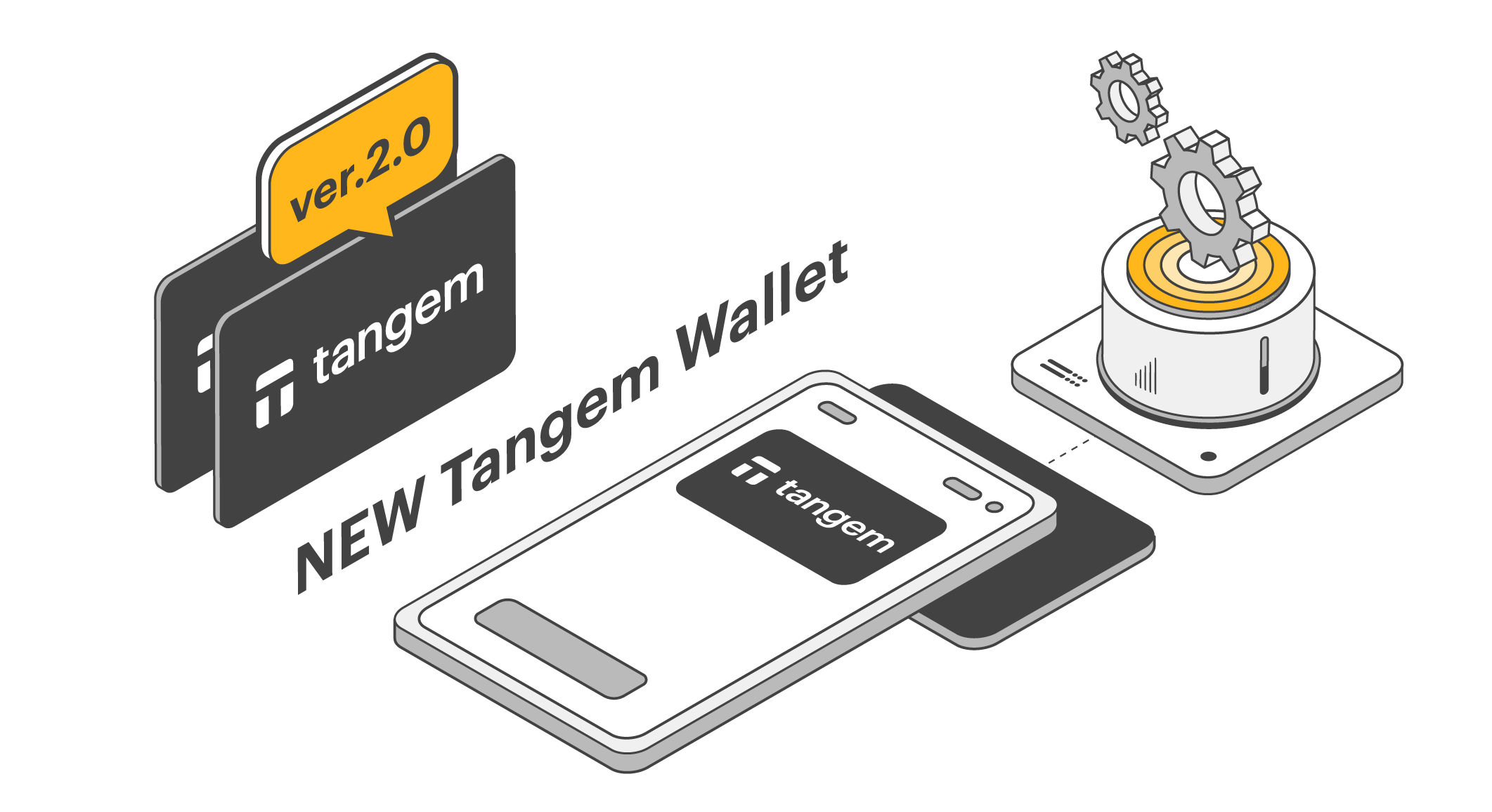
Tap your phone to the card. Confirm the transaction in the mobile app. The card signs transactions internally and never shares the private key. My instinct said this would be slow or clunky. It isn’t. On modern phones it’s practically instant. On the other hand, because there’s no screen, you rely on the phone app to show transaction details—so choose trustworthy wallet apps.
I’m biased, but I like that the card form factor is familiar. It slips into a wallet slot, behaves like a credit card, and doesn’t scream “I hold crypto!” (oh, and by the way—this low-key look matters in public). The tangem mobile experience is designed for this exact flow; if you want to read more about it, check out tangem for official guidance and recent app releases.
On a technical note: the card stores the private key inside a secure element. When you sign, the card executes the signing operation internally and returns the signed transaction. The private key never leaves the card. That’s simple, but also powerful, because it reduces attack surface compared to software wallets.
Pros first. Short list, but big wins: portability, ease of use, and a low-profile form factor. Tapping to sign is easier than fiddling with passphrases or micro-controllers. For everyday spending and for people who want a secure, convenient way to hold assets, card wallets are brilliant.
Cons: you trade some features. No display means no on-card transaction preview, so you must trust the host device’s UI. Also, single-card setups are a single point of failure unless you plan for backups. My instinct initially shouted “backups!” and so I used a layered approach: one primary card I carry, and one sealed backup stored in a safe place.
On one hand, cards are discrete and portable; on the other hand, cards are physical items that can be lost or stolen. Though actually, with proper PINs and the card’s secure element, stealing the card won’t immediately grant access. Still—it’s not a magic bullet.
First, buy from an authorized source. There are clones and scams out there—don’t be casual. When you receive the card, open the official app, tap the card, and follow the on-screen steps to initialize the wallet and set a PIN. Seriously, do the PIN. Do it now.
Write down any recovery or backup instructions the vendor recommends. Tangem cards often use their own wallet model (seedless or derived key models), so the recovery process differs from typical BIP39 seed approaches. That difference is a strength for simplicity, but it’s also a reason to understand the exact backup workflow before moving large funds.
One practical trick I use: test with small amounts first. Send a nominal amount, confirm you can sign and broadcast, then move larger funds. This little experiment saved me from a messy night later when I tried linking new services.
Don’t pair the card with random third-party apps. Use well-reviewed wallets and keep your phone OS updated. If your phone is rooted or jailbroken, assume risk. On the other hand, if you follow the standard hygiene steps—PIN, official app, verified firmware—you get a solid compromise between convenience and safety.
Backup philosophy: if you like traditional seeds, you’ll feel uncomfortable with single-card models. Tangem and similar products offer backup cards or custodial recovery options; understand them. Personally, I maintain one cold backup card in a safe deposit box and one active card in my wallet. That redundancy has saved me once when I bent a card trying to fold a receipt—don’t ask why.
If you want everyday access to funds but still want strong private-key protection, go for a card. It’s great for retail, point-of-sale interactions, light traders, and people who want crypto handy while commuting. If you need advanced workflows—multisig, hardware isolation with air-gapped signing, large institutional custody—cards are less suitable unless paired with other tools.
Also: traveling. Cards don’t look like hardware crypto devices, and that sometimes reduces hassle at borders. But keep in mind customs laws and local regulations. I’m not a lawyer; double-check local rules if you’re crossing borders with crypto holdings.
Different threat models. Ledger/Trezor have screens and more advanced UI checks, which helps against some phishing attacks. Tangem’s secure element prevents key extraction and is robust for everyday security. If you require the absolute highest assurance for large holdings, consider multisig or multiple different hardware types.
If you lose it, the card’s PIN protects your funds from immediate access. But recovery depends on your chosen backup plan: a secondary Tangem backup card, custodial recovery, or other vendor-specific recovery methods. Plan this before you move big amounts.
Yes—NFC support is required. Newer phones work well. Some iOS versions historically limited background NFC reading, but modern iOS and Android apps offer smooth tap-to-sign experiences. Check compatibility on the vendor page before buying.
Okay—let me be honest: this card approach isn’t perfect for every situation. It bugs me that there’s no universal standard for backup semantics, and that some third-party wallets can be sketchy. But for day-to-day convenience without dumping trust entirely into a phone app, card-based hardware wallets are a compelling middle path.
Final thought: if you like the idea of a low-friction, highly portable hardware key, give a card a serious look. Test with small funds, read the vendor’s recovery docs, and decide how much convenience you’re willing to trade for the specific protections the card offers. I’m optimistic about this form factor—it’s simple, practical, and finally feels like crypto you can actually carry around like cash. Hmm… still, I’m not 100% sure about long-term firmware support across brands, so keep an eye on official updates and community reviews.
Stay updated with our latest insights, creative ideas, and digital strategies.

Introduction: Beyond the Basics You’ve been around the block. You know the odds, the tells, and the subtle nuances that...
Read More →
Introduction: Why This Matters to You For industry analysts, understanding the nuances of online gambling in specific markets is crucial...
Read More →
Introduction: Diving into the World of Online Gambling Are you curious about online casinos and wondering where to start? In...
Read More →
Leave A Comment